
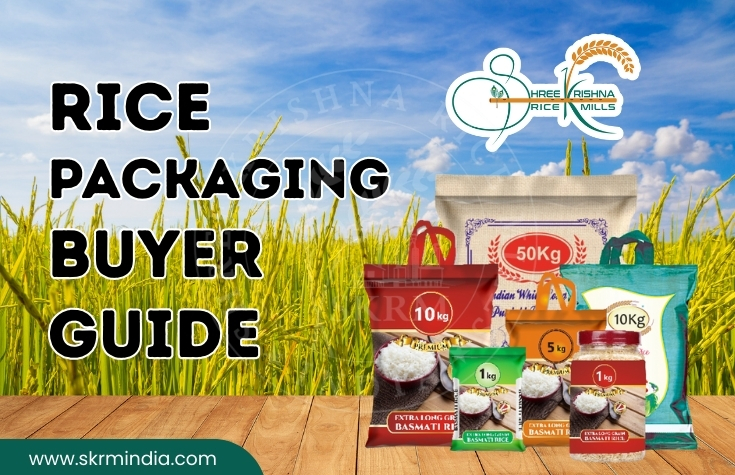
Rice Packaging Buyer Guide
1. PP (Polypropylene Woven Bags)
- Structure: Made of woven polypropylene tapes.
- Strength: High tensile strength, tear resistant, good for heavy loads (5–50 kg).
- Moisture Resistance: Moderate, can allow some air exchange unless laminated.
- Printing: Flexographic printing possible, but limited graphics.
- Recyclability: Fully recyclable.
- Common Use: Standard bulk rice packaging (25/50 kg).
2. Non-Woven Bags
- Structure: Fabric made from spun-bonded polypropylene fibers (not woven).
- Strength: Lighter weight, less tensile strength compared to woven PP.
- Moisture Resistance: Better than jute, but lower than laminated BOPP/LDPE.
- Printing: High-quality multicolor printing possible.
- Recyclability: Recyclable, considered more eco-friendly than plastic film bags.
- Common Use: Retail packs (5–10 kg), promotional packs.
3. Jute Bags
- Structure: Natural fiber from jute plant, woven into fabric.
- Strength: Very strong, breathable, good for large capacities.
- Moisture Resistance: Poor against water, absorbs moisture.
- Printing: Limited to simple stenciling or basic ink printing.
- Recyclability: 100% biodegradable and compostable.
- Common Use: Traditional bulk packaging, premium or export branding where sustainability is emphasized.
4. BOPP (Biaxially Oriented Polypropylene) Laminated Bags
- Structure: PP woven bag laminated with a printed BOPP film layer.
- Strength: Combines strength of PP woven + barrier of BOPP film.
- Moisture Resistance: Excellent, protects against humidity and spillage.
- Printing: High-definition rotogravure printing (multicolor, photographic).
- Recyclability: Technically recyclable, though multilayer separation is a challenge.
- Common Use: Branded rice packaging (5–25 kg), retail and export markets.
5. LDPE (Low Density Polyethylene) Pouches
- Structure: Film-based pouches made from LDPE, can be mono-layer or multi-layer.
- Strength: Flexible, but weaker mechanical strength compared to woven bags. Suited for smaller packs.
- Moisture Resistance: Excellent barrier to moisture and dust.
- Printing: High-quality multicolor printing possible.
- Recyclability: Recyclable depending on mono/multi-layer structure.
- Common Use: Retail packs (1–5 kg), vacuum packing, stand-up pouches.
| Type | Material Structure | Strength | Moisture Resistance | Printing Quality | Recyclability | Common Use | Cost Level |
|---|---|---|---|---|---|---|---|
| PP Woven | Woven polypropylene tapes | High tensile, tear resistant | Moderate (better if laminated) | Flexographic, limited graphics | Fully recyclable | Bulk packs (25–50 kg) | Low |
| Non-Woven | Spun-bonded polypropylene fibers (not woven) | Medium, lighter than PP woven | Fair, lower than laminated | High-quality multicolor possible | Recyclable, eco-friendlier | Retail 5–10 kg, promotional | Medium |
| Jute | Natural jute fiber, woven | Very strong, breathable | Poor, absorbs moisture | Limited, basic stenciling/ink | 100% biodegradable | Traditional bulk, premium eco packs | Medium–High |
| BOPP Laminated | PP woven + BOPP printed film | Very strong + barrier | Excellent, humidity resistant | High-definition, photographic | Recyclable (multilayer challenge) | Branded retail/export (5–25 kg) | High |
| LDPE Pouch | Film (mono or multi-layer LDPE) | Flexible, lower load strength | Excellent moisture barrier | High-quality multicolor | Recyclable (mono easier) | Small packs (1–5 kg), vacuum, stand-up | Medium |
📦 Recommended Packaging by Pack Size
1–5 kg (Retail / Premium Packs)
- Best Options: LDPE Pouches / Stand-up Pouches, BOPP Laminated Bags
- Why: Excellent moisture barrier, strong shelf appeal, high-quality printing. Suitable for supermarkets and branded retail.
- Notes: LDPE allows zipper/vacuum options. BOPP gives premium look with strength.
5–25 kg (Retail / Semi-Bulk Packs)
- Best Options: BOPP Laminated Bags, Non-Woven Bags
- Why: Good balance between strength and branding. BOPP for premium retail/export, non-woven for cost-effective mid-market.
- Notes: This range is the fastest-growing in modern trade.
25–50 kg (Bulk / Wholesale Packs)
- Best Options: PP Woven Bags, Jute Bags
- Why: High strength, cost-effective, practical for bulk handling. Jute is eco-premium and used in select export markets, while PP is standard for global bulk movement.
- Notes: Branding is limited here, focus is on durability and cost.
✅ Quick Matrix (Size → Suggested Material)
| Pack Size | Primary Choice | Alternate Choice | Positioning |
|---|---|---|---|
| 1–5 kg | LDPE Pouch | BOPP | Premium retail |
| 5–25 kg | BOPP | Non-Woven | Branded retail / Semi-bulk |
| 25–50 kg | PP Woven | Jute | Bulk wholesale / Eco export |
✅ Summary:
- PP woven → Best for bulk, economical.
- Non-woven → Mid-range, light, attractive.
- Jute → Eco-friendly, premium image.
- BOPP laminated → Strong + best print quality, retail branding.
- LDPE pouch → Small retail packs, strong moisture barrier.
✅ Summary with cost logic:
- Lowest cost → PP woven (bulk commodity packs).
- Mid cost → Non-woven & LDPE (retail focus).
Premium → BOPP laminated (best branding) and Jute (eco-premium image).